

Marine Carburetor Jetting for Altitude/Performance
Labor estimate Usually 1–2 hours
Book sends us a ticket; nothing is charged online. Before any work you get a written estimate for labor, parts and the trip fee, and nothing is done without your OK.
Trip fee By distance, one way: $30 in San Pedro, $50 in Long Beach
- San Pedro$30
- Wilmington, Terminal Island$40
- Long Beach: Shoreline, Rainbow Harbor$50
- Long Beach Marina, Alamitos Bay$60
- Redondo Beach$60
- Seal Beach, Huntington Harbour$75
- Marina del Rey$85
- Newport Beach$110
Farther away: $25 plus $2.50 a mile, one way from our San Pedro shop. No trip fee when the boat comes to our shop, or for plan members. The work of a visit is at least $150; the trip fee is on top.
- Registered in California
- Breeze Marine Boat Service LLC, San Pedro
- Where we work
- At your slip from Marina del Rey to Newport Beach, or in our San Pedro shop
- Questions first
- (562) 542-7296 or submit a ticket
About this service
Clean Running.
Any Elevation.
Factory carburetors are tuned for sea-level compromises. Whether you are towing your boat to high-altitude lakes or chasing maximum wide-open-throttle performance at the coast, our boat carburetor tuning recalibrates your jets and metering rods for the right air/fuel ratio across the throttle range.
High-Altitude Leaning
Taking your boat to Lake Tahoe or Big Bear? Thin air causes sea-level carburetors to run too rich, washing engine cylinders and costing power. We calculate density altitude and downsize your jets for crisp, clean combustion in the mountains.
WOT Performance Tuning
Engine sputtering or falling flat at Wide Open Throttle? We read your spark plugs to analyze the fuel burn. We upsize main jets to prevent dangerous lean-out detonation and bring back the power at the top end.
Transition Circuit Sync
It is not just about the main jets. We tune the transition circuits, swapping power valves, accelerator pump nozzles, and metering rods so your boat accelerates smoothly "out of the hole" without hesitation or bogging.
The Calibration Process.
Math meets mechanics.
Baseline Diagnostic
We perform a baseline run or "plug chop" to analyze the current air/fuel mixture. White, blistered plugs indicate a lean condition, while black, sooty plugs mean you're running rich.
Altitude & Flow Math
We calculate the target jet size based on your primary boating elevation. The general rule is a 2% reduction in fuel area for every 1,500 feet above sea level, adjusted for your specific engine load.
Precision Swapping
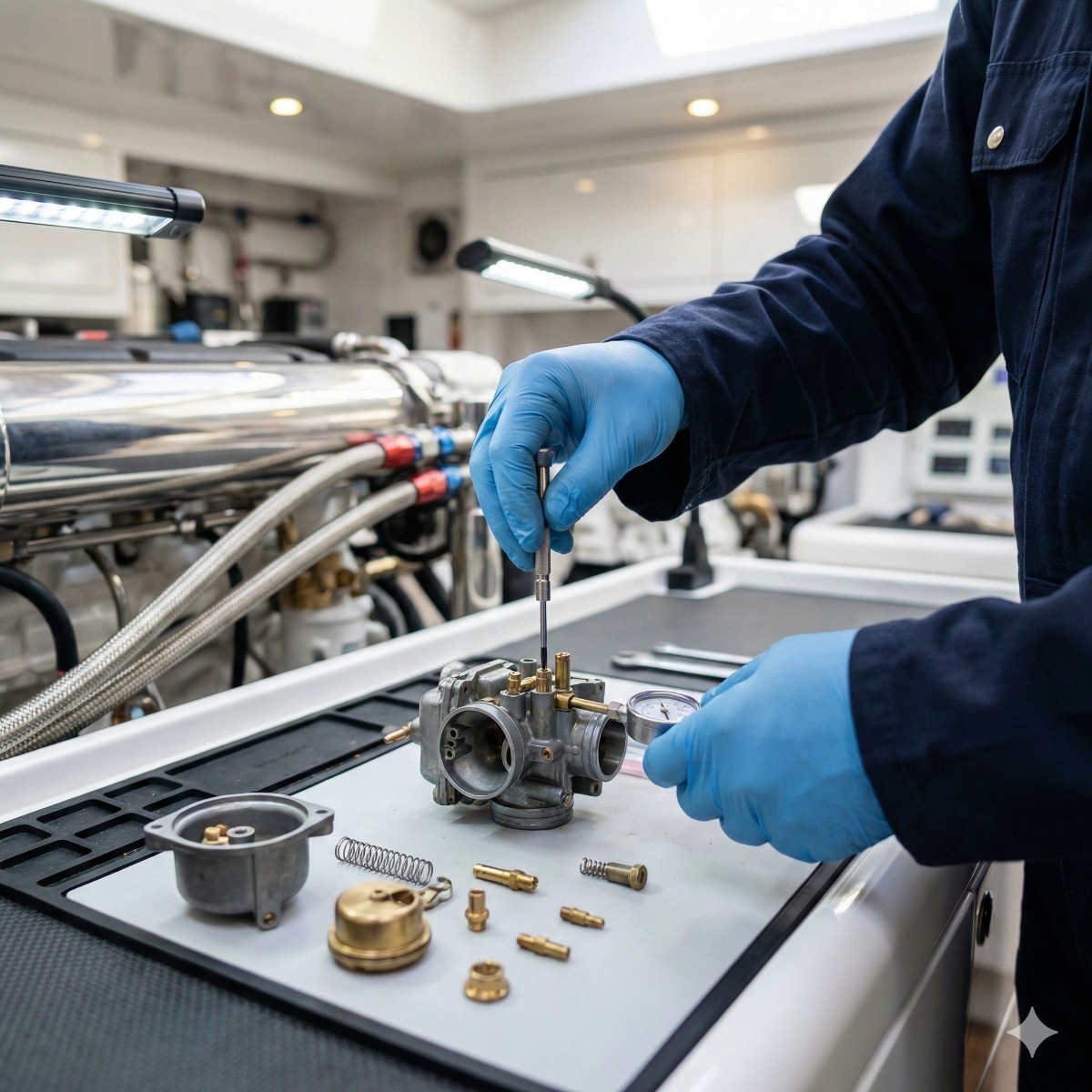
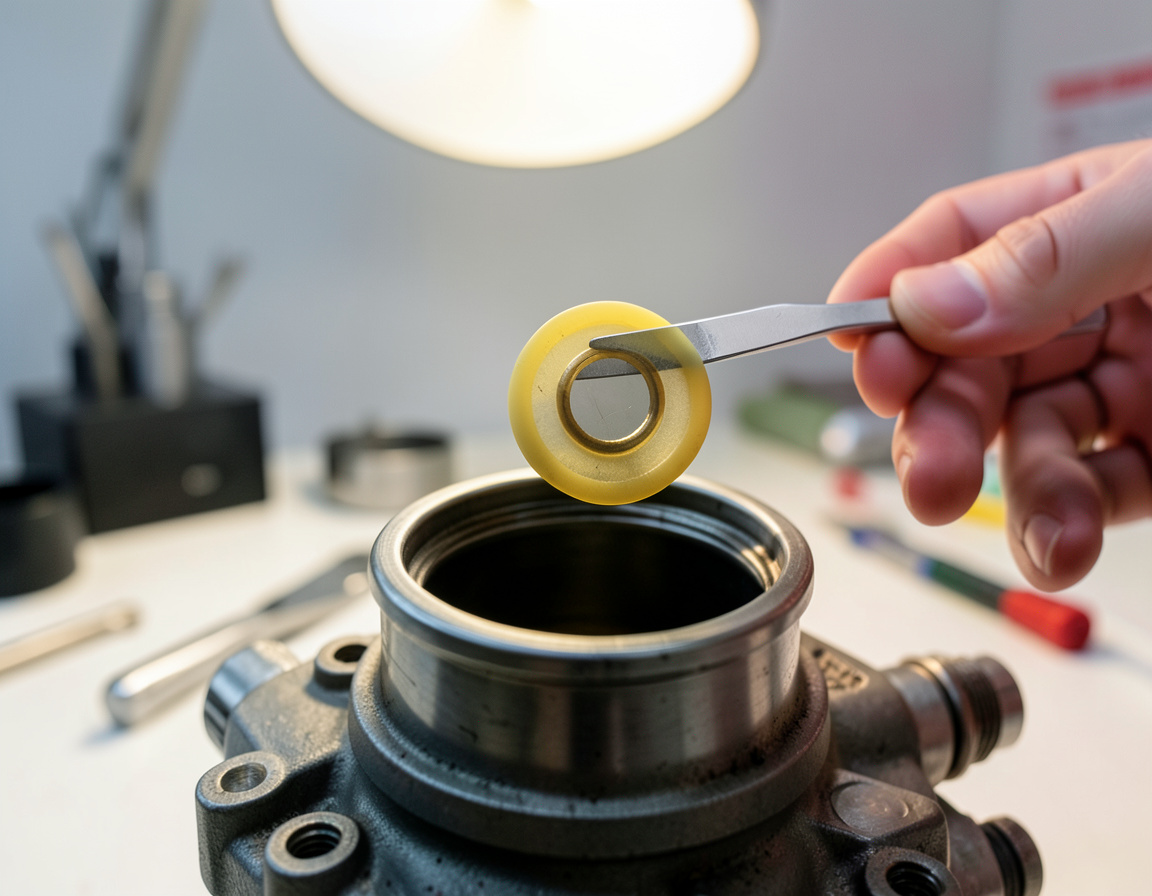
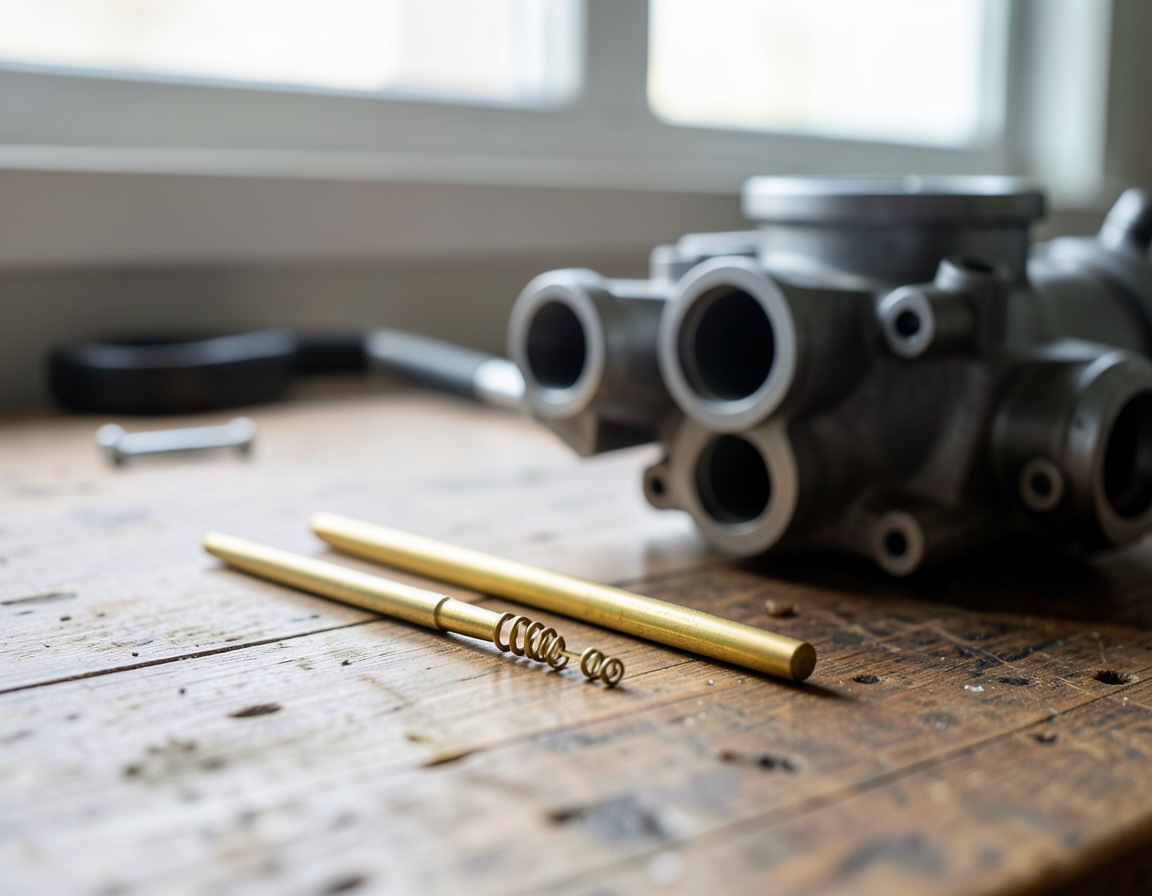
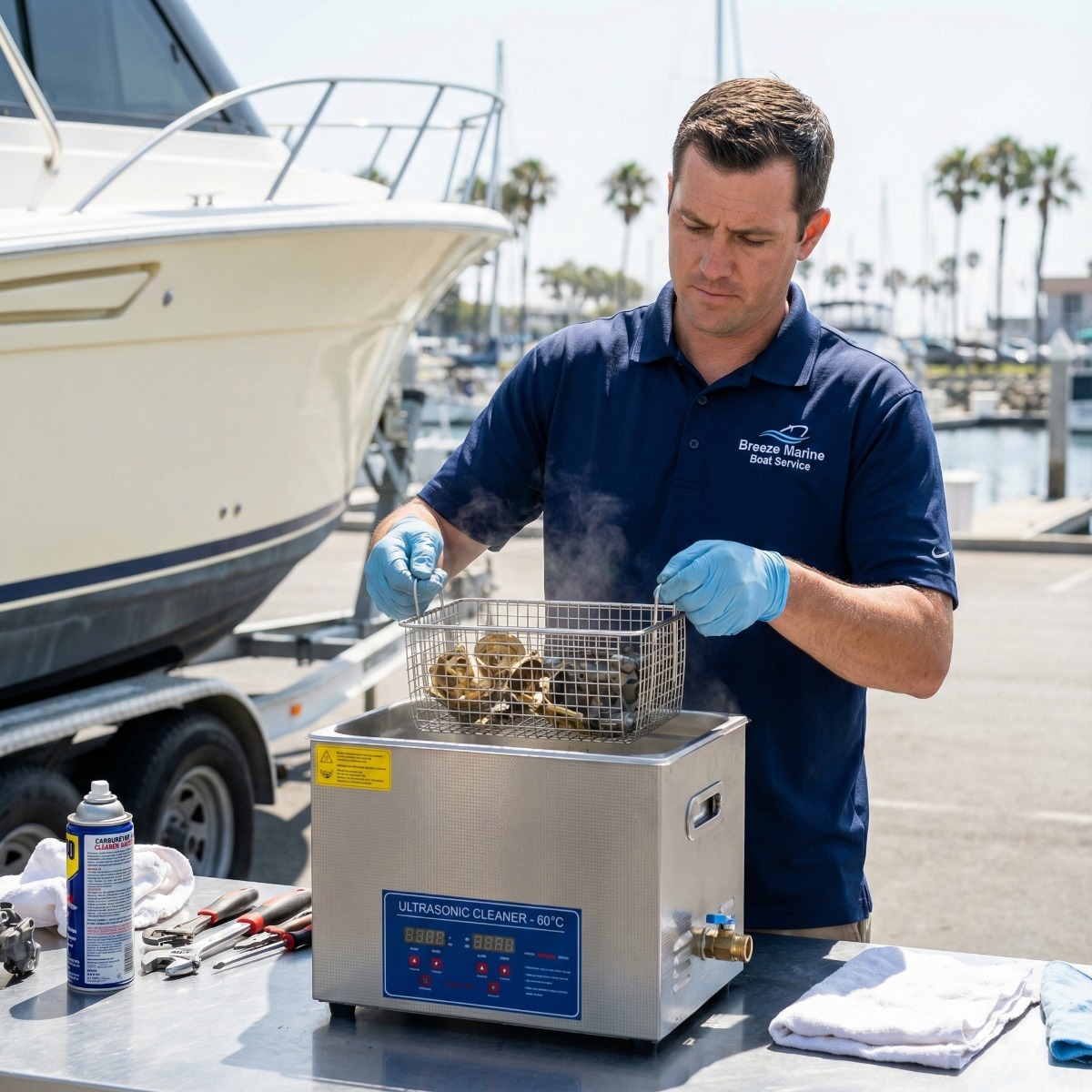
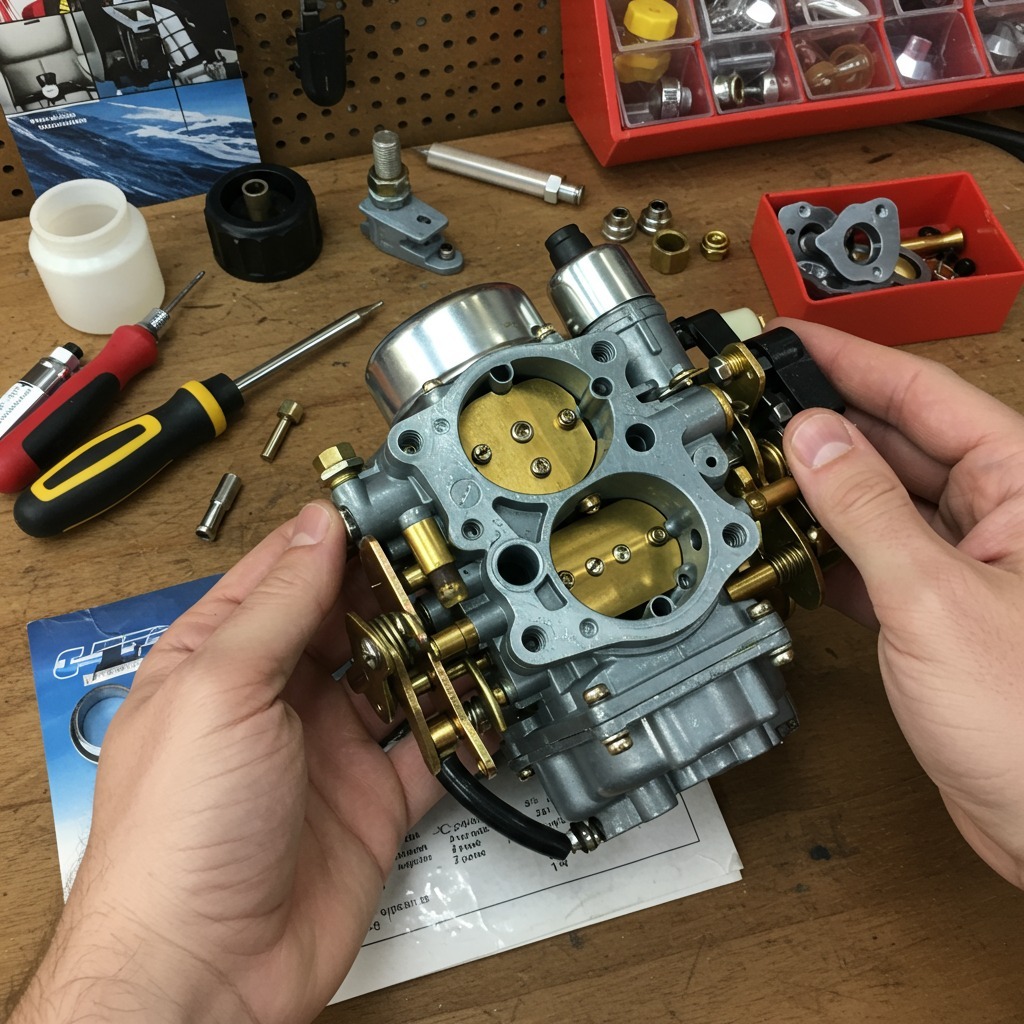
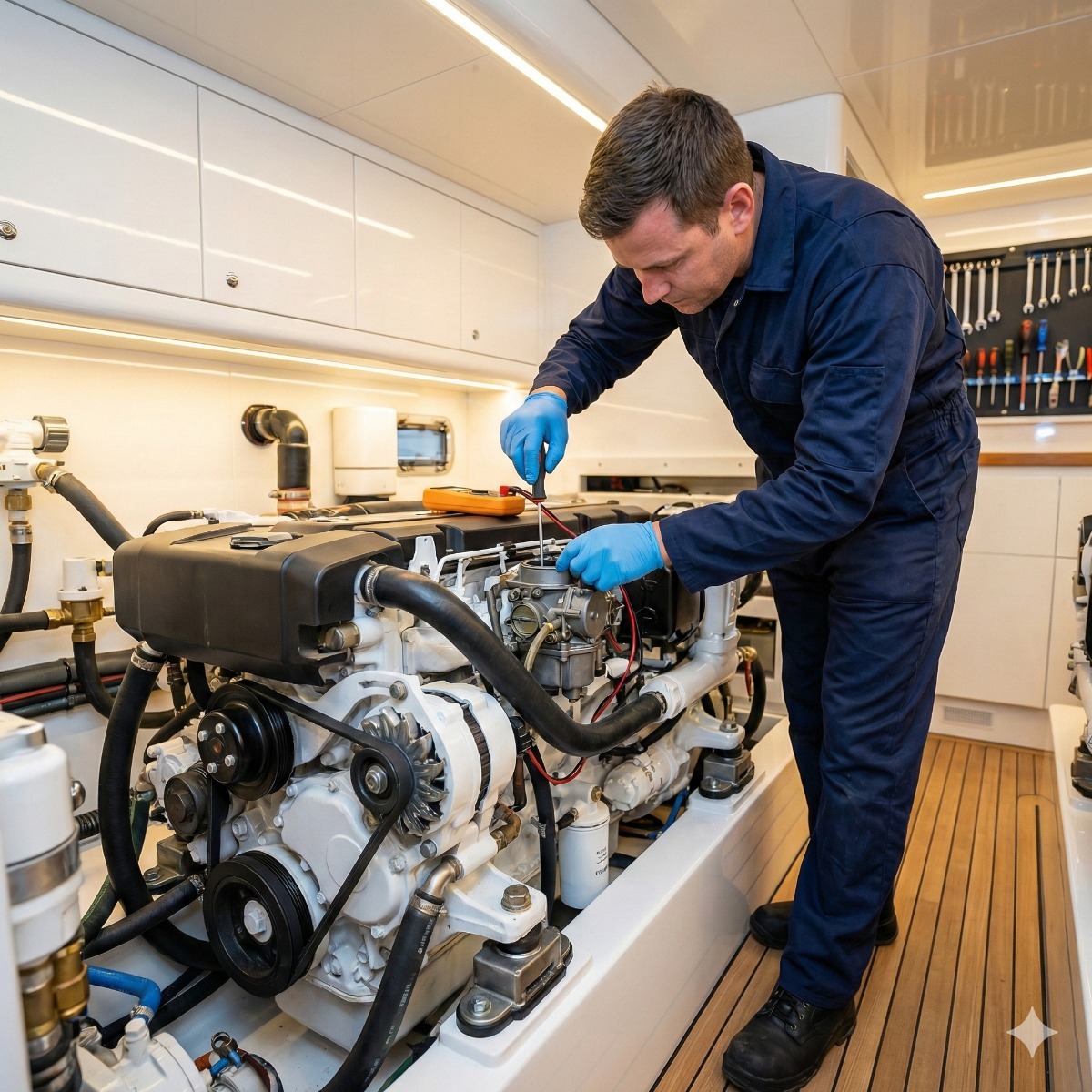
We carefully drop the carburetor fuel bowls and extract the brass main jets, power valves, or metering rods, replacing them with precision-machined Holley, Edelbrock, or Rochester components.
Verification Trial
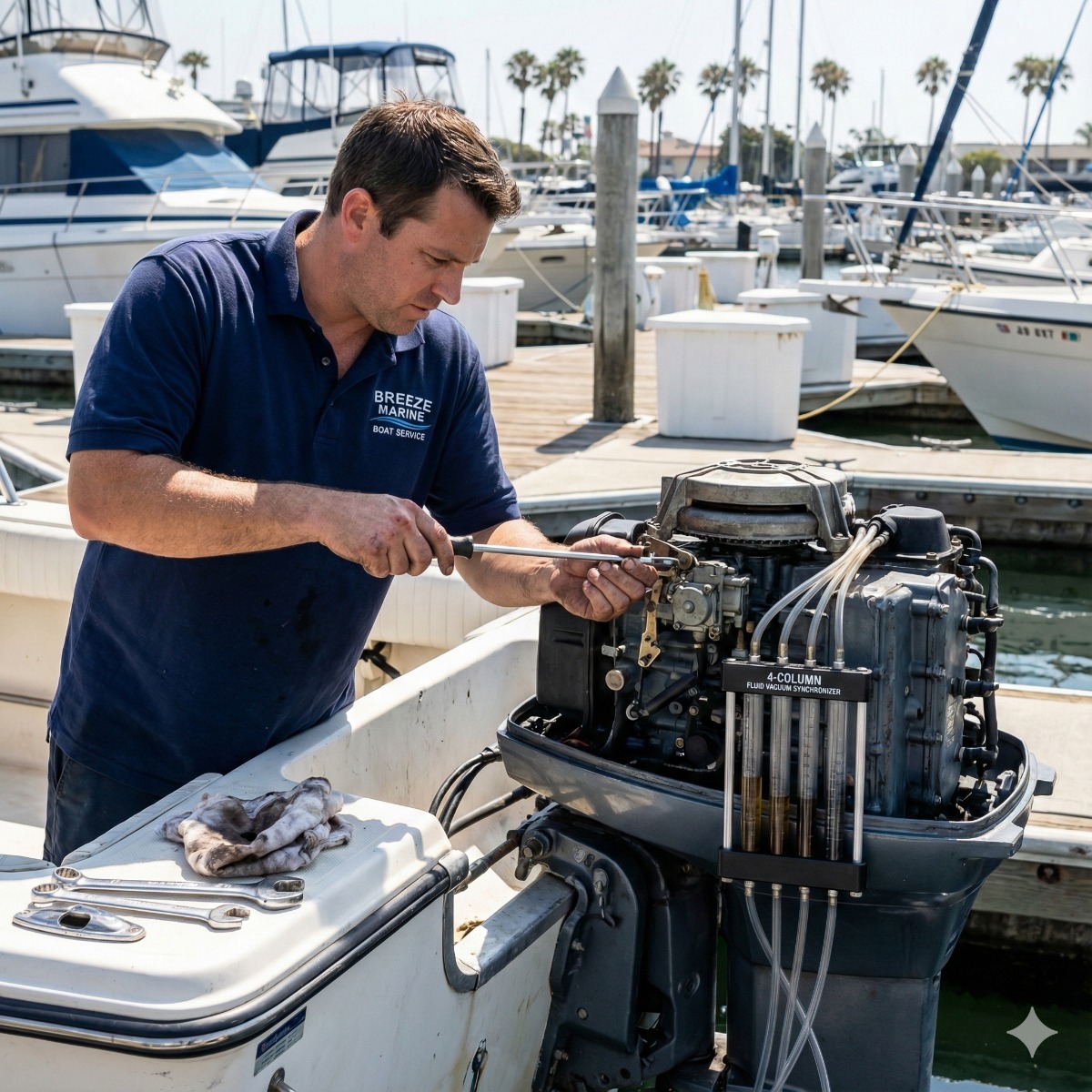
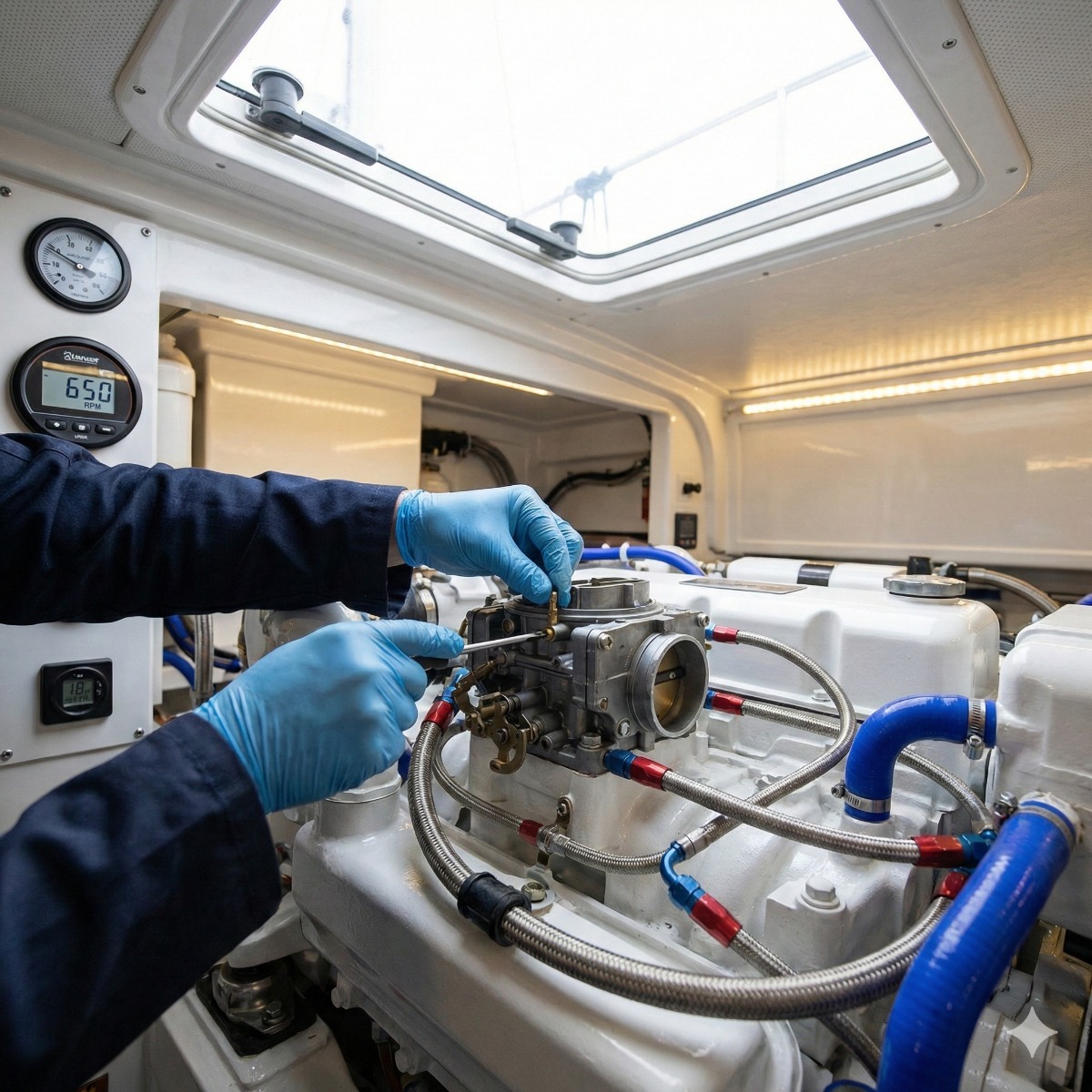
The engine is run under load to verify the changes: steady idle vacuum, clean throttle response and safe wide-open-throttle RPM. Altitude jetting is checked at the lake, and the original jets must go back in before you run hard at sea level again; we can swap them both ways.
Tuning Components.
Precision brass & valving.

Technical Specs.
Calibration standards.
Common Questions
Why does my boat lack power and smoke at high altitude lakes?
At 6,000+ feet, the air is thin (less oxygen). Your carburetor is still dumping sea-level amounts of fuel, causing a heavily "rich" condition. Rejetting reduces the fuel flow to match the thin air, clearing the black smoke and recovering the power lost to the rich mixture (some power loss at altitude is normal).
Can running too lean damage my engine?
Yes. If your jets are too small (too lean) at sea level, the combustion chamber burns much hotter. This lean-burn detonation can melt pistons, burn exhaust valves, and blow head gaskets.
Reviews 2
Questions 6

Related Posts
-
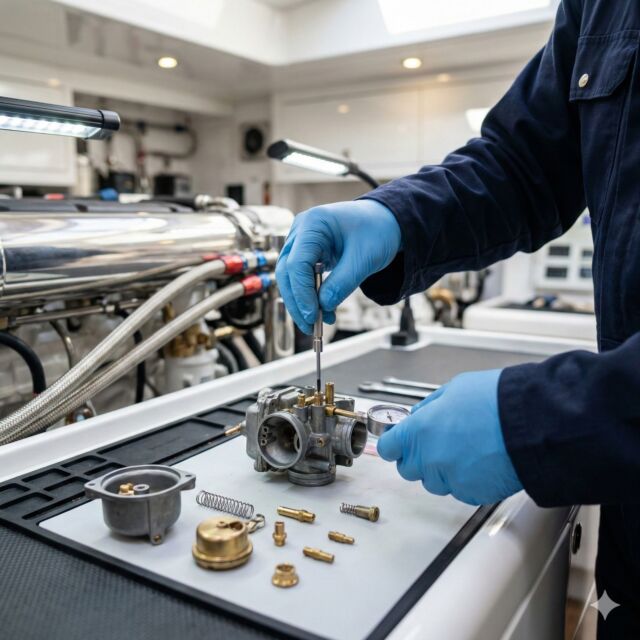


 A carb set for sea level runs rich in the mountains and can run lean after upgrades. Learn how jetting works, how it is tested and what to do before a trip.